
Jane Corrie has watched poker rooms breathe through four decades and four regions, and she reckons the first lesson never changes: variance is just the swing between what you expect and what the cards actually hand you. That reality sits at the centre of any honest poker variance explained guide, because players who treat short-term results as a verdict usually blow through their bankrolls chasing noise. The trick is learning to separate the maths from the mood, especially when you are sitting across from a table full of regulars who have already done the homework.
How the Swings Actually Work at the Felt
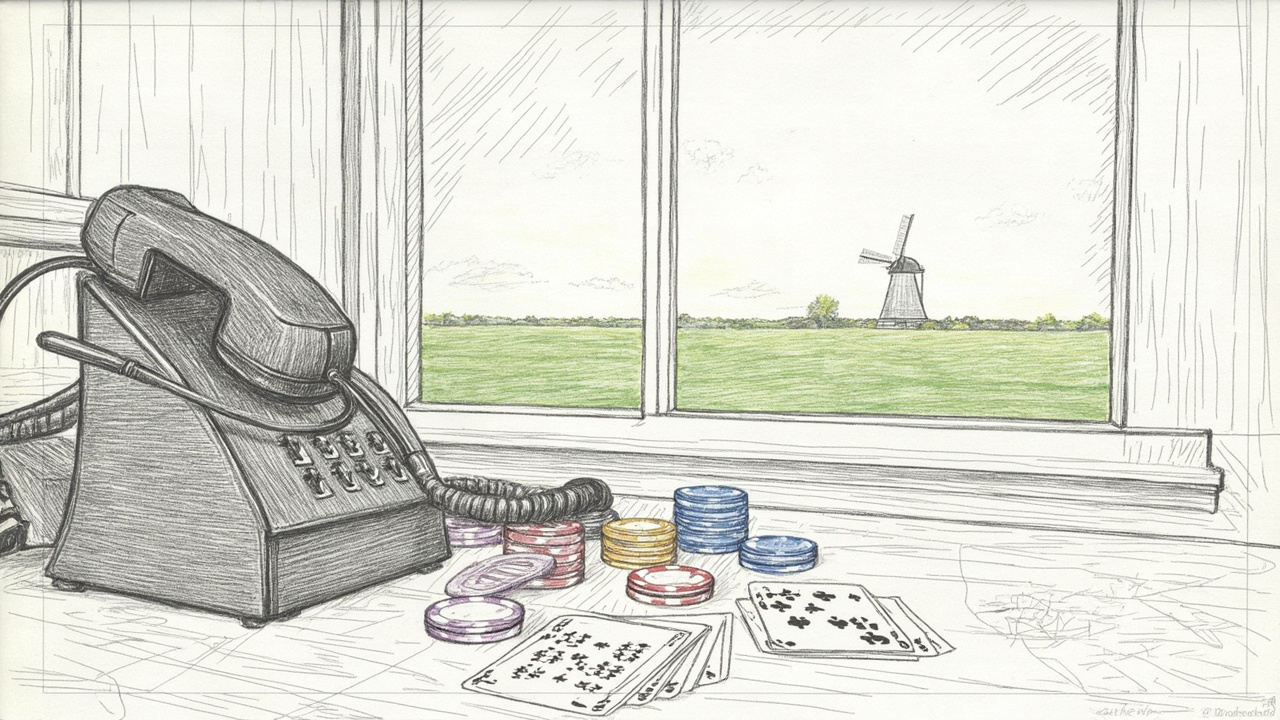
Variance is not a glitch in the system; it is the engine of the game. In a live room or on a regulated screen, your edge compounds slowly while luck thrashes around it. Corrie has trained dealers and pit staff across Adelaide and beyond, and she has seen the same mistake repeat: a player measures success by tonight’s session instead of the sample size that actually matters. When you sit down with a solid strategy, the cards will still hand you cold streaks that feel personal. They are not. They are the mathematical cost of drawing fewer premium hands than the distribution predicts, and they arrive in clumps. A tight overround means better value for the punter, so the house edge stays predictable and your bankroll can absorb the swings without getting chewed up by hidden margins.
Players who survive those swings build their sessions around discipline, not hope. You need a stake size that lets you weather a hundred-buyin downswing without tilting, and you need to track results over weeks rather than hours. Corrie’s shift-operations background taught her that the rooms which run longest are the ones where staff understand that a losing Tuesday does not cancel a winning quarter. The same logic applies at the table: if your decision-making holds up across thousands of hands, the variance eventually settles toward your expectation. Until then, the job is to keep your bets proportional to your roll and your emotions proportional to nothing at all.
What the Numbers Look Like When You Sit Down
Most players hear about variance and imagine a single number that tells them how rough a session will be. In practice, it is a distribution, and the shape of that distribution changes with your game selection, your stake, and your willingness to fold. A cash game where you play tight and wait for spots will produce smaller swings than a multi-way tournament where you are forced to gamble for survival. Corrie has run training across multiple jurisdictions, and she always tells new dealers the same thing: the cards do not care about your schedule, so plan your bankroll around the worst plausible run, not the average one.
When you are weighing a site or a room, the practical question is whether the structure lets you stay in the game long enough for your edge to show up. That means checking stake limits, table sizes, and how often you get pushed off your numbers by a rush of loose action. A tighter overround means better value for the punter, and that same principle carries over to poker: if the rake or the blind structure is reasonable, your variance stays manageable and your decisions stay profitable over time. If the maths is tilted, no amount of skill will rescue a bankroll that is being drained by the framework itself.
How to Keep Your Roll Intact Through the Rough Patches
The players who last are the ones who treat variance like weather and plan for it instead of arguing with it. Corrie’s pit-management experience taught her that the rooms which keep staff and customers happy are the ones that set clear expectations and stick to them, and the same discipline works at the table. You decide your buy-in, you decide your stop-loss, and you decide how many sessions you will run before you review the numbers. When the cards go quiet, you do not chase; you wait for the distribution to catch up.
Here is the process a sensible player goes through before and during a session:

- Set a bankroll that covers at least fifty buy-ins for the stake you intend to play, so a normal downswing cannot knock you out of the game.
- Pick tables or tournaments where the blind structure and rake leave your edge intact, and walk away when the action stops matching your range.
- Record every session in a simple log, then review the results after a full sample rather than after a single bad arvo. book of dead slot for high volatility spins
- Adjust your stake only when the numbers justify it, not when frustration or a hot streak tells you to.
That routine keeps the swings from becoming decisions you regret. Corrie has watched veteran players survive long dry spells simply because they refused to turn a statistical event into a personal one, and that habit is worth more than any short-term lucky run.
If you are weighing whether a poker variance explained approach actually suits you, the verdict is straightforward: it fits players who can sit through uncomfortable stretches without changing their strategy, and it does not suit anyone who needs every session to pay out on the night. The long run rewards patience, record-keeping, and game selection far more than it rewards chasing a bad beat. Play the maths, respect the swings, and let the sample size do the talking.